The complete 78-card library
Read the cards. Understand the pattern.
Clear, card-specific tarot meanings for upright and reversed positions, love, career, feelings, intentions, advice, symbolism, and yes-or-no questions—without vague filler or guaranteed predictions.
78original card pages
✦
Original interpretations
Card-specific symbolism and context instead of copied or repeated definitions.
✦
Built for real questions
Love, work, feelings, advice, reversals, and practical reading context.
✦
Reflection, not certainty
Educational guidance without guaranteed predictions or professional claims.
Shuffle the complete deck
Draw a random tarot card
Pause with one clear question, shuffle all 78 cards, and reveal an upright or reversed card with a direct link to its complete meaning.
Your card remains face down until you choose to draw.
How to use the random card generator responsibly →Start with the deck
Explore tarot by structure
Learn the archetypal Major Arcana, the everyday Minor Arcana, or enter through the suit that best matches your question.
☉
Major Arcana
22 cards about turning points, identity, values, and larger life lessons. ◇Minor Arcana
56 cards about daily choices, emotions, work, communication, and resources. ✦All 78 Cards
Search or browse the complete card library in one organized reference. ♨Wands
Action, creativity, ambition, confidence, conflict, and momentum. ☽Cups
Feelings, relationships, intuition, imagination, grief, and connection. ⌁Swords
Thought, communication, decisions, truth, boundaries, and conflict. ⊕Pentacles
Money, work, home, health routines, skill, time, and security.78Tarot cards
22Major Arcana
56Minor Arcana
4Tarot suits
Popular meanings
Begin with a featured card
Each page separates upright and reversed energy, then applies the card to love, career, money, feelings, intentions, advice, and spiritual reflection.
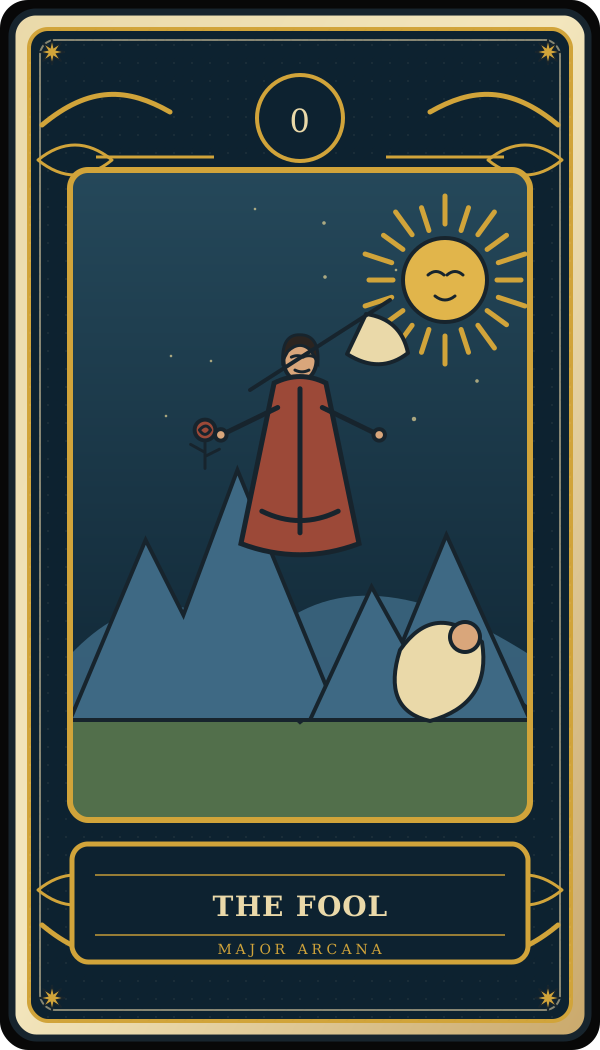
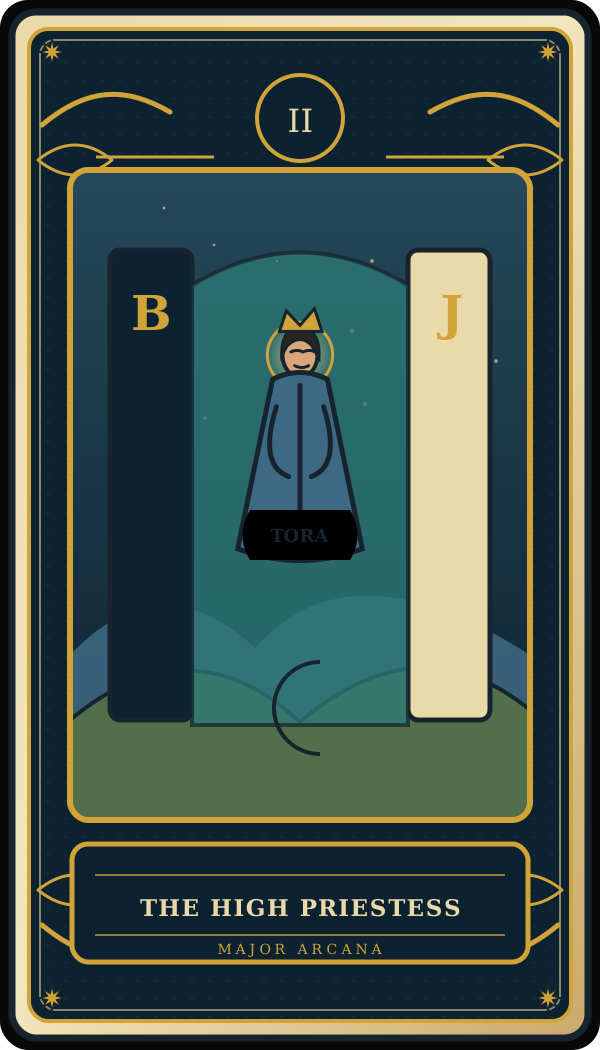
The FoolNew beginnings · openness · trustThe High PriestessIntuition · inner knowledge · mystery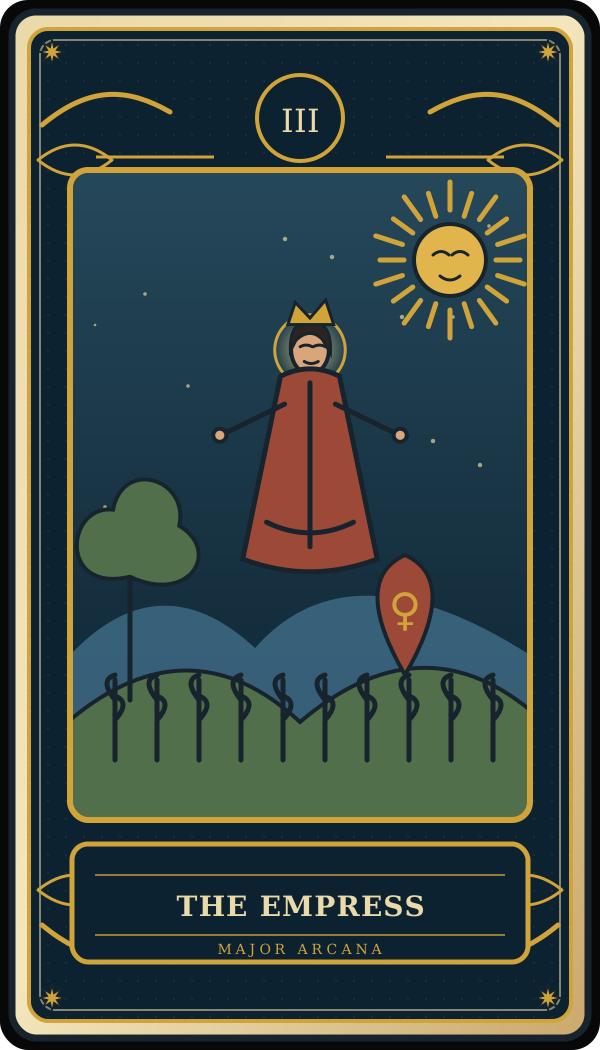 The EmpressNurture · abundance · creativity
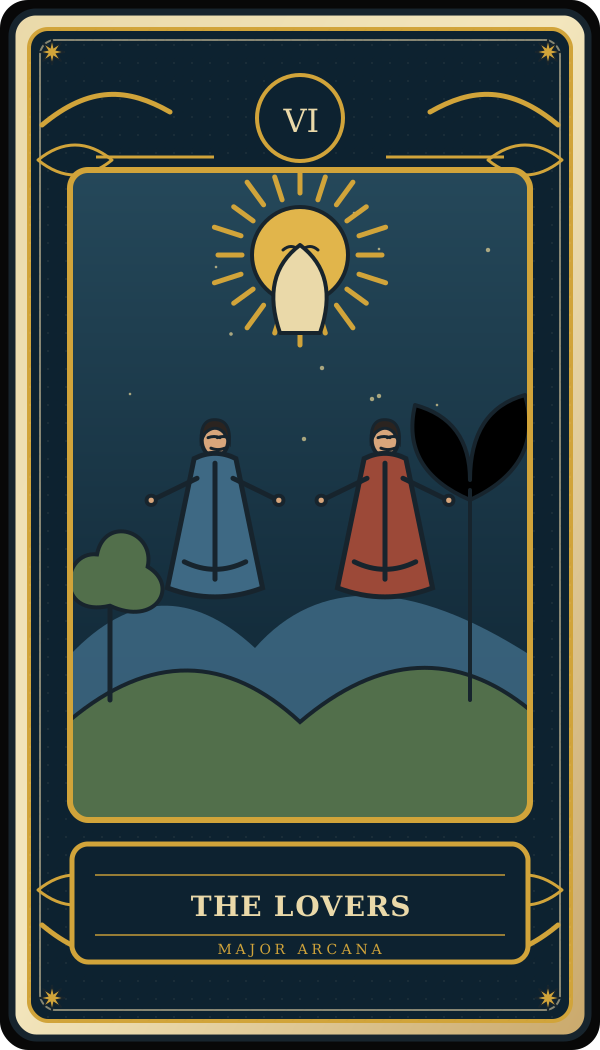 The LoversUnion · values · attraction
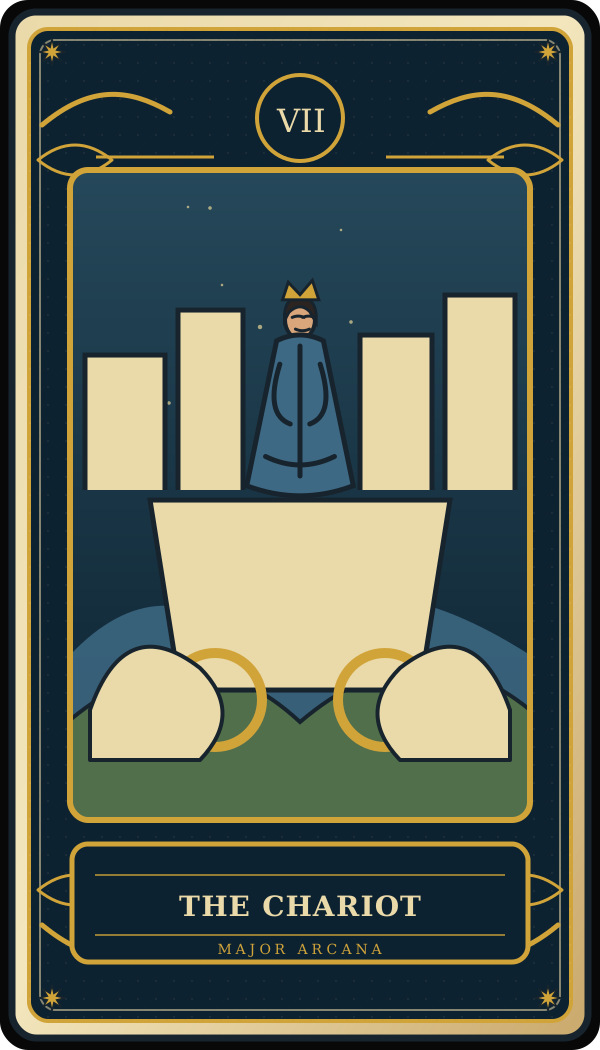 The ChariotDetermination · direction · self-control
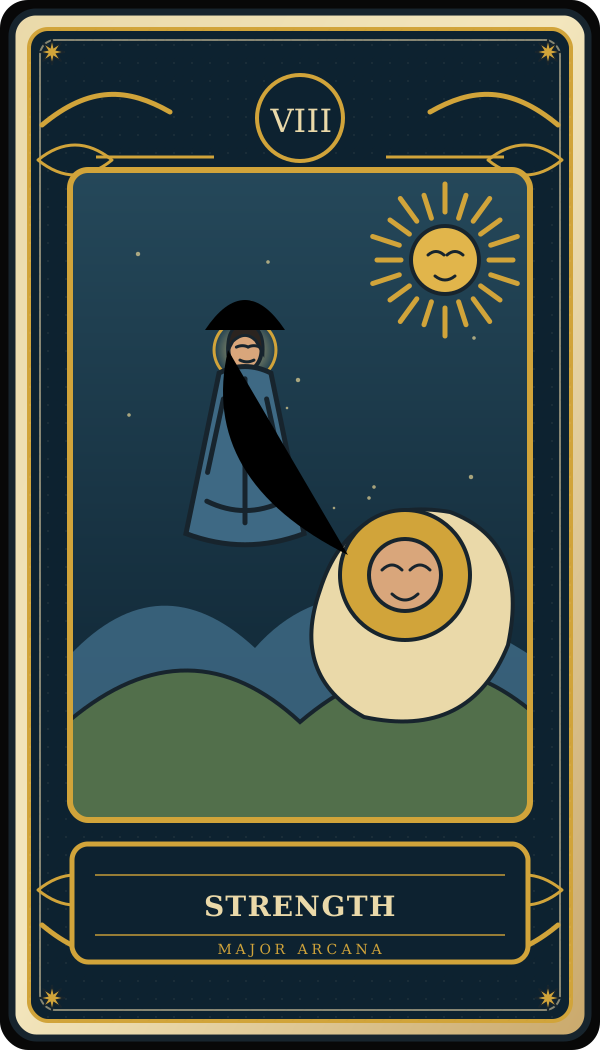 StrengthCourage · patience · compassion
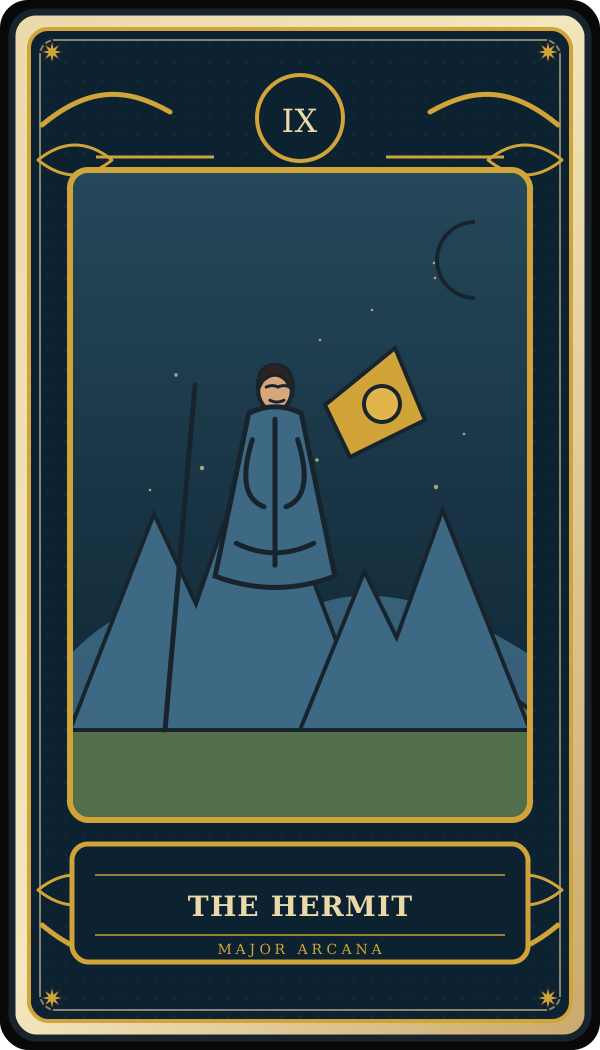 The HermitSolitude · reflection · guidance
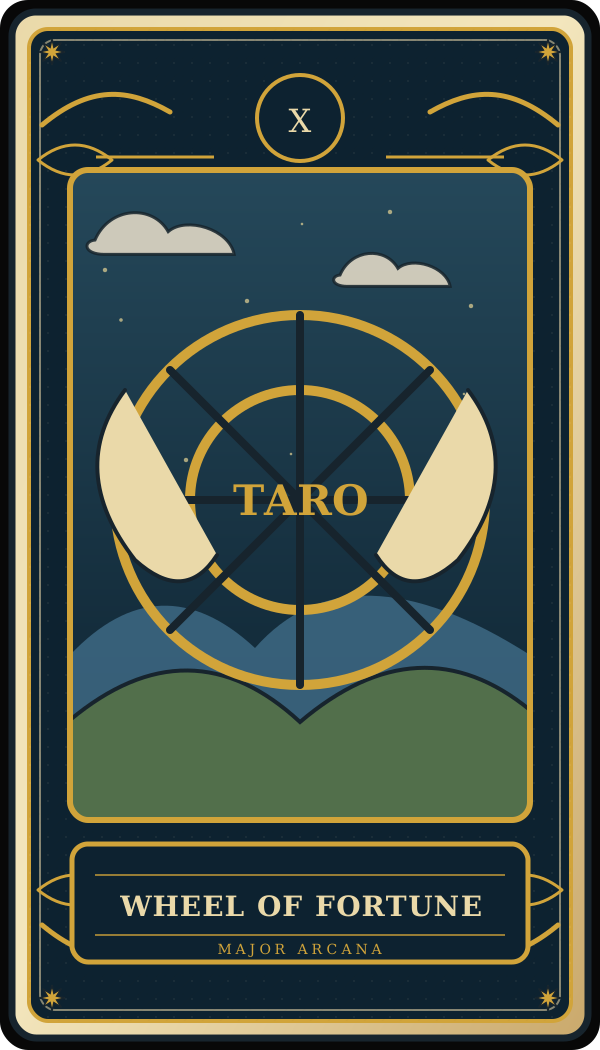 Wheel of FortuneCycles · turning point · timing
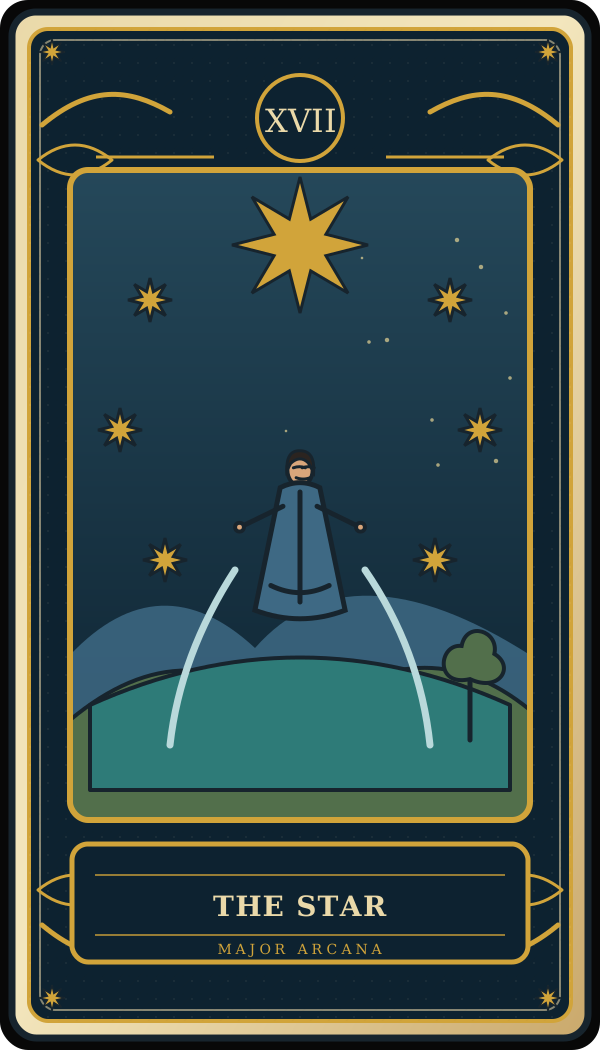
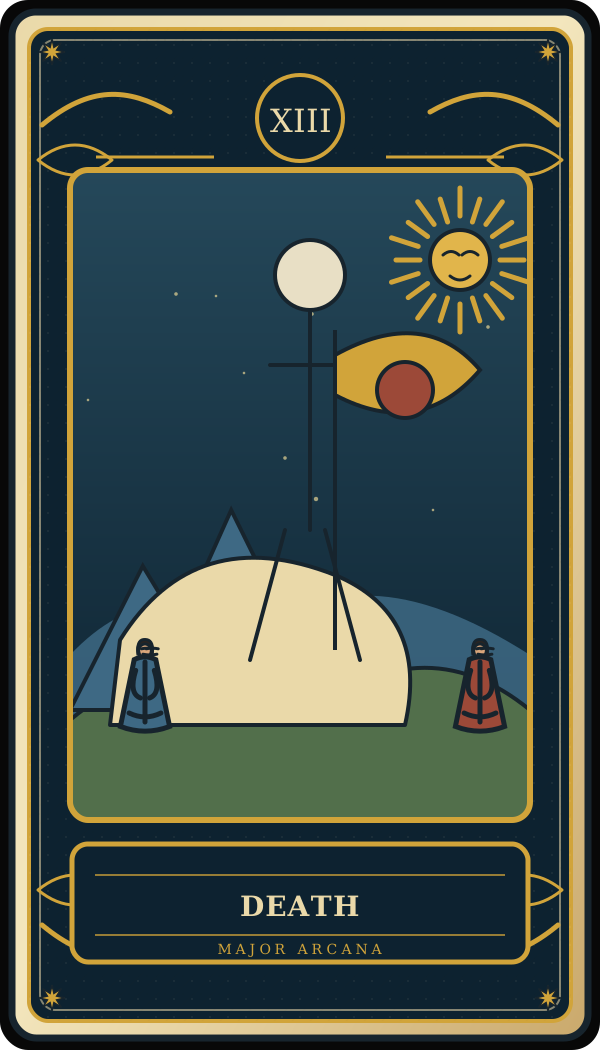 DeathTransformation · ending · releaseThe StarHope · renewal · authenticity
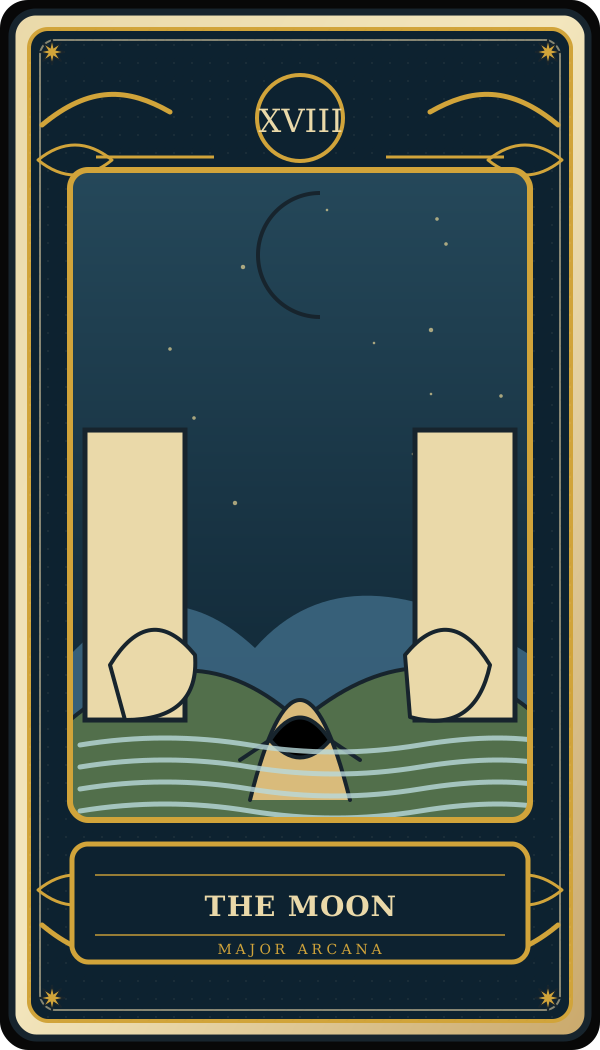 The MoonUncertainty · dreams · instinct
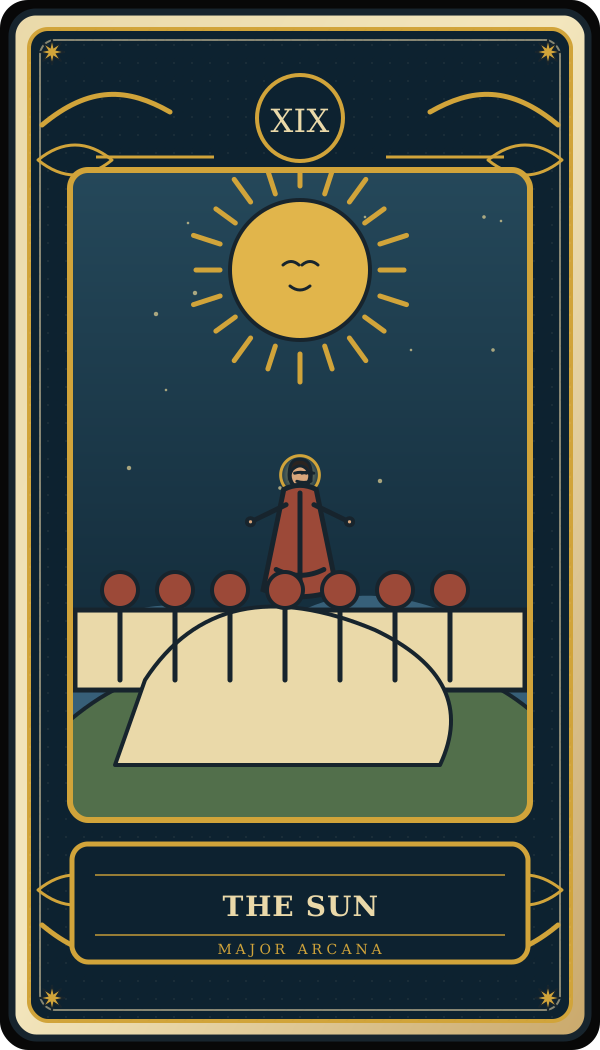 The SunJoy · vitality · clarity
Learn the method
Read cards with context and confidence
These guides help you move beyond memorized keywords and produce clear, grounded interpretations.
Tarot for Beginners
Understand deck structure, reading flow, and responsible interpretation.How to Read Tarot Cards
Use imagery, position, question wording, and surrounding cards together.Upright vs Reversed
Read reversals as blocked, internal, delayed, excessive, or correcting energy.Love Meanings
Separate attraction, emotional availability, intention, behavior, and compatibility.Yes or No Tarot
Use conditional answers instead of forcing every card into certainty.Three-Card Spread
Build a compact reading with positions that create a useful story.Useful answers
Tarot card questions people often ask
What are tarot card meanings?
Tarot card meanings are symbolic interpretation ranges used to explore a question, pattern, choice, or emotional dynamic. A useful meaning combines the card image, deck structure, spread position, surrounding cards, and the real situation.
How many cards are in a tarot deck?
A standard tarot deck has 78 cards: 22 Major Arcana cards and 56 Minor Arcana cards divided into Wands, Cups, Swords, and Pentacles.
What is the difference between upright and reversed tarot cards?
An upright card often shows its energy directly. A reversed card may show that energy blocked, delayed, internalized, avoided, excessive, or in the process of correction.
Can tarot tell you exactly what will happen?
Tarot can support reflection on likely patterns and choices, but it cannot guarantee exact events. Important decisions should rely on evidence, direct communication, and qualified professional advice.
How do beginners learn tarot card meanings?
Begin with the Major and Minor Arcana structure, four suits, number progression, and visible imagery. Practice with one to three cards and connect each card to one clearly worded question.
What should you ask in a tarot reading?
Open questions are usually more useful than questions that demand certainty. Ask what needs attention, what pattern is active, what choice is available, or what practical step would improve the situation.
Find your card
Search by name, suit, or reading topic
Use the fast card library to find upright, reversed, love, career, feelings, intentions, advice, or yes and no meanings.